Gum Disease Treatment: Protect Your Smile
Understanding Gum Disease
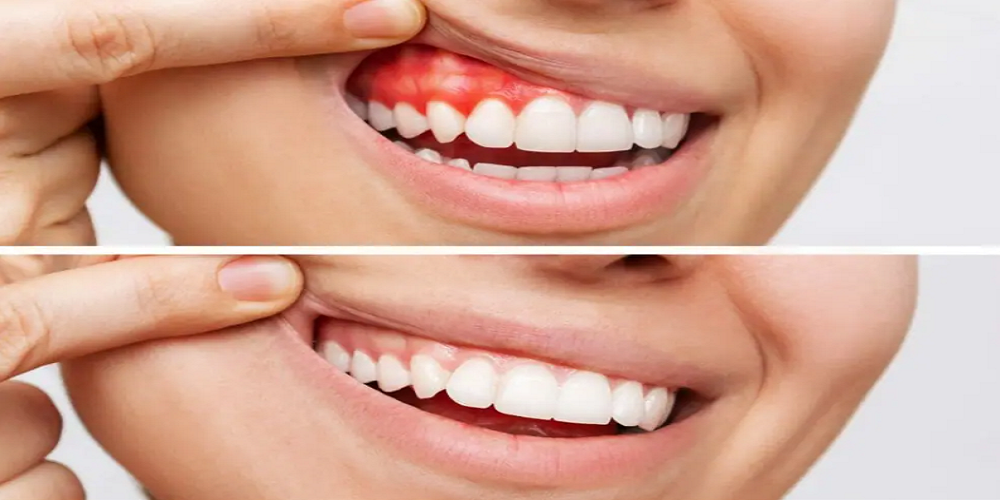
Gum disease is an oral problem. It begins with the accumulation of a sticky film of bacteria on your teeth and gums which is known as plaque. Otherwise, it may make your gums red, swollen, and bleed during the process of brushing or flossing. Gum disease is reversible at its initial stage known as gingivitis. However, when left unchecked, it can develop into
periodontitis, a more dangerous complication which will be able to ruin the bone upon which your teeth are supported.
Non-Surgical Gum Disease Treatments
In case the gum disease is diagnosed at an early stage, non-surgical procedures tend to be helpful. Scaling and root planing is the most popular initial procedure, which is a deep cleaning. During this treatment, substances such as tartar and plaque above and below the gum line are removed. Any rough spots on the root surfaces are smoothed away. In certain cases, antibiotic treatment or specialized rinses prescribed by your dentist will be used to control infections and facilitate healing.
Surgical Gum Disease Treatments
Surgical procedures can be required in case of severe gum disease. Flap surgery is the procedure with the aim of lifting the gums to clean the deep-seated plaque and bacteria and reposition the gums to fit snugly. In other instances, bone grafts or tissue grafts assist in the reconstruction of lost bone or gum to disease. The other new therapy is laser therapy which in most cases leaves less pain and pain after the treatment is done.
At-Home Care for Healthier Gums
The prevention and management of gum disease is a home based affair. Brush twice per day, floss once per day, and antimicrobial mouthwash as advised. Stay on top of checkups to the dentist, and stay away from tobacco, which predisposes you to gum issues. Having proper habits and frequent visits to the dentist, your gums will be healthy forever.
FAQs
Can gum disease be cured?
The presence of gingivitis is nearly always reversible with professional cleaning and improved
home care.
Do gum disease treatments hurt?
The majority of the new therapies are painless due to the use of local anesthesia and laser therapy usually equates to pain-free and quicker recovery.
How often should I see the dentist for gum health?
See your dentist after every six months or even earlier in case you have had problems with the gums in the past.
Are antibiotics always required for gum disease?
No. They can be applied as an extra support measure though the main therapy is the elimination of the plaque and tartar.
Early intervention of gum disease is a way of saving your teeth and also a way of retaining your natural smile over the next few years. Get a check-up and put your gums in good condition!
All Services
Teeth Cleaning
Teeth Cleaning
Professional cleaning to keep your teeth healthy and plaque-free. Book Now
Fillings
Fillings
Restore decayed teeth with safe and durable dental fillings. Book Now
Root Canal Therapy
Root Canal Therapy
Save infected teeth with pain-free root canal treatment. Book Now
Oral Exams
Oral Exams
Regular check-ups to detect dental problems early and maintain oral health. Book Now
Fluoride Treatments
Fluoride Treatments
Strengthen teeth and prevent cavities with professional fluoride treatments. Book Now